

02 Eki Setting a Stop Loss Target That Actually Holds
When the air-con hums and the floor gets busy, the difference between a session that stays fun and one that turns sour often comes down to a hard number decided before the first card is dealt. Setting a stop loss target is less about predicting outcomes and more about drawing a line you actually respect when the room gets loud. Over four decades running tables across four regions, I’ve watched the same pattern repeat: the players who leave with their bankroll intact are the ones who treat a limit like a shift boundary, not a suggestion. If you’re playing in a Brisbane club or at a local pub with pokies, the principle is identical. You set the number, you stick to it, and you walk away when it’s hit. That discipline is what keeps the night enjoyable rather than expensive. You can also read how to stop gambling if you’re ever questioning whether your limits are holding.
Why a hard limit matters more than a soft intention
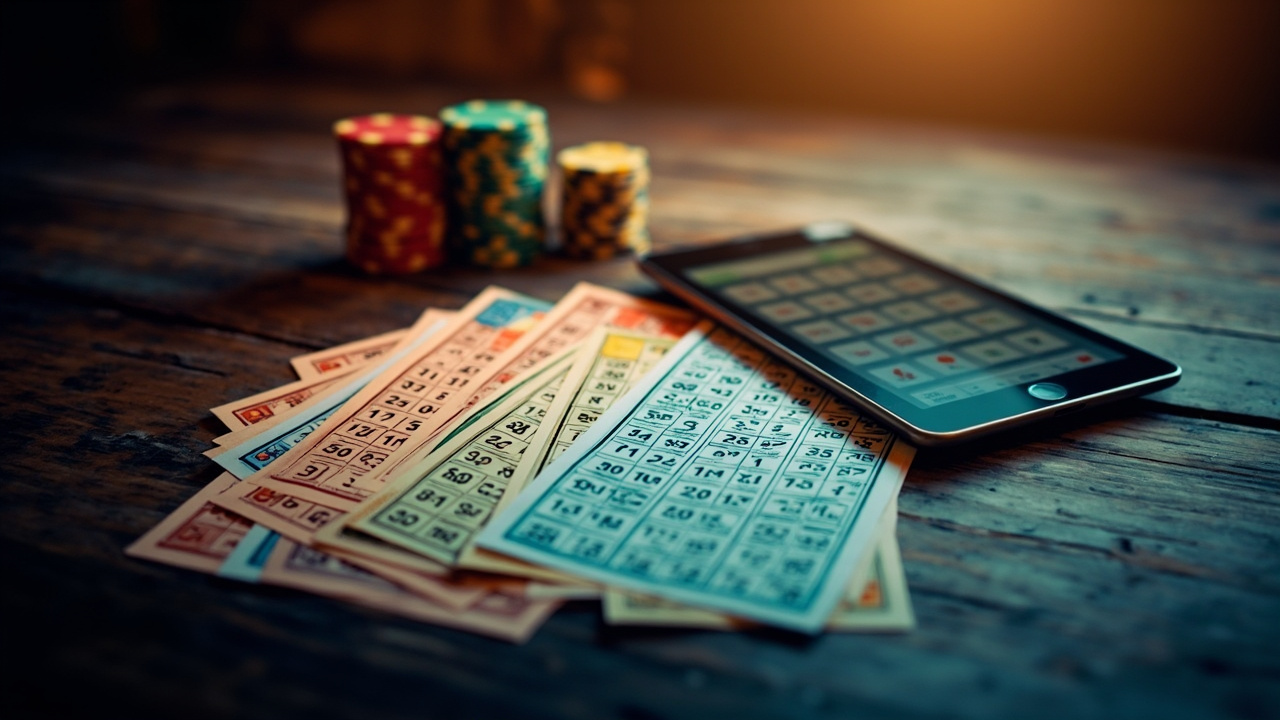
A soft intention is “I’ll stop when I feel like it.” A hard limit is “I walk away when I lose two hundred dollars.” Those two approaches look similar on paper, but on a crowded floor they diverge fast. When the room is buzzing and the drinks are flowing, momentum tricks the brain into treating a losing streak as something that will turn around if you just keep pushing. It won’t, not reliably, because every hand, spin, or roll is independent and the maths doesn’t care about your mood. I’ve trained dealers who have seen players double their buy-in in an arvo and then hand it back chasing the next win, and I’ve seen the opposite too: players who set a loss ceiling, respected it, and came back the next week ready to play again. The second group is the one that treats the game as paid entertainment rather than a rescue plan.
That mindset connects directly to the tools a responsible venue or platform should offer. Licensing, security, and support matter because they shape whether you can actually enforce a limit rather than just write it down and ignore it. A platform that lets you set deposit caps, session reminders, or reality checks is giving you the same kind of boundary a pit manager would enforce on a live floor. If you’re weighing where to play, check that the operator holds a valid licence, uses proper encryption, and has reachable support that understands responsible-play tools rather than just reading scripts. Privacy counts too, because your playing history and limit settings should stay between you and the operator, not become an open book. When those pieces are in place, a stop loss target stops being a note on your phone and becomes a real control you can lean on.
| Detail | What to look for |
|---|---|
| Licensing | Valid Australian-facing licence, clear terms, no offshore claims |
| Security | Encrypted connections, straightforward privacy policy |
| Support | Live or email help that knows responsible-play tools |
| Account controls | Deposit caps, session reminders, loss limits, self-exclusion |
| Payments | Clear currencies, sensible withdrawal windows, no hidden fees |
| Mobile | Stable app or responsive site, same limits as desktop |
Building a limit you can actually keep
The number itself should come from your disposable entertainment budget, not from rent money or the card you’re hoping to win back. Work out what you can afford to lose in a single session and treat that figure as the cost of the night, the same way you’d budget for a meal and a few drinks. I’ve always told new dealers to explain the floor this way: you’re paying for the action and the atmosphere, not buying a result. That framing keeps the loss limit connected to reality instead of to hope. If you’re playing at a Brisbane club, the buy-in is often physical and visible, which helps. Online, the numbers can feel abstract, so write the limit somewhere you’ll see it mid-session.
Once the number is set, decide what happens when you hit it. The best plan is the boring one: stand up, collect your chips or log out, and leave the screen behind. Free spins can build anticipation and prolong sessions, which is exactly why they make sticking to a loss limit harder if you’re already halfway through a downswing. Treat bonus offers as part of the entertainment cost, not as a reason to keep playing past your ceiling. I’ve also seen superstitions persist despite outcomes being purely random, and I’ve seen players cite everything from lucky shirts to a hustler’s folklore like Titanic Thompson was a legendary hustler who won bets through elaborate schemes, as if ritual rippercasino70.com could bend the maths. It can’t. A stop loss target works because it removes the decision from the moment when your judgement is most vulnerable.
If you’re comparing operators, look for one that lets you set and adjust limits without friction, and that makes the process visible rather than buried. Some platforms let you lower a limit immediately but require a cooling-off period to raise it, which is a sensible design because it protects you from impulsive changes in the middle of a session. Others offer time reminders that ping you before you’ve spent too long at the screen. None of these tools guarantee a win, and none of them make play risk-free, but they do give you something better: a structure that matches the discipline you already decided on. When the support team can walk you through those controls quickly, and when your account settings are easy to find on mobile, the limit stops being a promise you make to yourself and becomes a feature you actually use.
Matching the limit to how you actually play
A loss limit only works if it fits the way you play, not the way you wish you played. Someone who sits down for a single session once a fortnight needs a different ceiling than someone who pops in for a short spin after work. Think about your usual session length, your typical buy-in, and the pace that feels comfortable rather than rushed. If you’re the kind of player who stays as long as the bankroll holds, a percentage-based limit can be useful because it scales with your entertainment budget instead of a fixed dollar figure that might be too tight one month and too loose the next. If you prefer a clean end point, a hard dollar limit is easier to defend because there’s no wiggle room when the number is hit.
The same logic applies to the environment you’re playing in. A physical club in Brisbane gives you cues you can use: the dealer’s rhythm, the noise of the room, the walk to the bar or the exit. Those cues can help you notice when a session has gone on long enough. Online play removes a lot of those signals, so you need to build your own. Set the limit before you log in, decide what you’ll do when it’s reached, and don’t leave the door open for “one more hand” once you’ve crossed it. I’ve always judged a good setup by whether a player could explain their limit to a shift supervisor without hesitating. If you can say it out loud, you’re more likely to honour it when the room gets busy and the temptation to chase sets in.
The strongest limits are the ones that survive contact with a real session, not the ones that look neat on paper. Test yours on a low-pressure night, notice where it feels natural and where it feels forced, and adjust the next time accordingly. That’s not a sign you’re failing; it’s a sign you’re learning how your own discipline works. If you ever find the limit isn’t holding, that’s a useful signal too, and it’s worth stepping back and asking whether the game is still giving you what you came for.
So here’s the question I’d put to anyone on the floor: when your stop loss target gets hit, what’s the one thing you’ll actually do instead of reaching for another round?

It’s tempting to think you’ll walk away, but the real test is whether you have a plan that doesn’t rely on willpower alone. You can find resources that help you map out those healthier alternatives at https://winspirit-login.org/. Ultimately, the goal isn’t just to survive the night, but to build a routine that keeps you in control when the pressure hits.
Sorry, the comment form is closed at this time.