

01 Eki Red Dog vs Casino War: Which Table Game Delivers Better Value
When I first built non-download gaming at Big Time Gaming, the goal was simple: remove friction without removing choice. That same lens applies here. Red Dog and Casino War both strip casino card games down to their bones, but they reward different temperaments. This comparison weighs pace, volatility, and everyday usability so you can pick the fit that suits your play style rather than chasing a generic winner.
Every new feature must pass the same test: does it feel invisible until you need it? We’ve applied that philosophy to our recent work on responsible play frameworks, and you can see how it translates to real-world impact in this community gaming initiative. The result is a system that respects player autonomy while keeping the experience clean and purposeful.
Gameplay rhythm and the pace of each round

Red Dog moves slowly enough to think, fast enough to hold attention. You bet, two cards appear, and the spread between them sets the payout. Narrow gaps pay little; wide gaps pay more, and the tie mechanic reshapes the hand when the values clash. Casino War is almost brutally direct. You and the dealer each receive one card, higher rank wins, and a tie triggers a war round where you must double your stake to keep going. The rhythm difference matters more than the rules on paper. Red Dog gives you moments to size up the spread before committing, while Casino War asks for quicker decisions and a stronger stomach for doubling down when the cards tie. Neither game rewards hesitation, but they punish impatability in different the company’s resource ways.
For anyone comparing red dog vs casino war, the pace is the first real divider because it shapes how long a session feels and how often you re-evaluate your stake. Red Dog’s spread mechanic creates natural pauses between decisions, which suits players who like to study the board before pressing the button. Casino War’s single-card showdown keeps the action moving, which works better when you want a fast, repetitive loop without much reading. I’ve always believed good design removes friction without removing choice, and that principle shows up here: one game slows you down on purpose, the other keeps you moving. The right pick depends on whether you want a measured rhythm or a steady pulse at the table.
Volatility, bankroll shape, and real conditions
Volatility is where the two games part company in a way that affects your bankroll more than the advertised payouts suggest. Red Dog carries a wider spread of outcomes because the gap between the two cards can swing from a small return to a much larger one, so sessions tend to breathe in and out rather than march in one direction. Casino War is more binary by design. You win, you lose, or you enter a war round that asks for another bet at a higher stake, which means a run of ties can chew through a bankroll faster than the base game implies. That doesn’t make either game reckless on its own, but it does mean your stake sizing needs to match the mechanic you’re sitting in.
Local players in Brisbane who play after work tend to prefer games that don’t demand constant recalculation, and that preference lines up with how these two behave in practice. Red Dog asks you to think about the spread before each bet, which can feel calmer on a busy arvo when you want a game that doesn’t rush you. Casino War asks for quicker commitment, especially when a tie pushes you into the war round, so it suits shorter bursts and firmer stop limits. I’ve seen plenty of players treat both as low-stakes fillers, but the truth is that each one exposes a different kind of discipline. If your bankroll plan is built around steady, measured play, Red Dog’s rhythm fits more naturally. If you’re comfortable with sharper swings and a clear exit point, Casino War’s simplicity can work without pretending it’s gentle.
That same laid-back rhythm is why a lot of local punters gravitate toward platforms that don’t overcomplicate the user experience or demand constant strategic pivots. If you’re after a similarly straightforward setup with transparent terms and a clean interface, it’s worth checking out the high5 review 2024 guide here. You’ll find the layout keeps the pressure off, letting you ease into a session without the usual digital clutter.
Bonus behaviour, payments, and everyday usability
The way a casino wraps these games matters just as much as the games themselves, because bonus terms and payment flow change how often you can actually sit down and play. Red Dog and Casino War both tend to sit inside standard table-game pools, which means they usually count toward playthrough at a lower contribution rate than slots, and that’s the first thing worth checking before you deposit. A casino that treats table games fairly will let you move through requirements without feeling like the maths is rigged against you, while a tighter setup can turn a simple card game into a slow grind. Payment speed matters here too, because a game you enjoy is a game you can return to, and a clunky withdrawal path undermines that quickly.
The platform itself should make the basics obvious: clear stake controls, a readable table layout, and a mobile view that doesn’t shrink the important details into a mess. I’ve always argued that non-download design should respect the player’s time, and that same idea applies to how a casino presents these two games on a phone. You want quick access to bet sizing, a clean history of recent hands, and support that answers plain questions without making you jump through hoops. A decent loyalty setup can soften the edges too, especially if points or cashback land in a way that actually reflects how you play rather than rewarding only the highest spenders. For a closer look at how one operator handles that balance, the high5 review 2024 guide lays out the practical side of sign-up flow, payments, and day-to-day usability in a way that’s easier to judge than marketing copy.
Support, registration, and the compliance reality
Registration should be straightforward, but it still needs to be done properly because verification is what keeps the account usable later when you want to withdraw. A good setup asks for the basics up front, explains what documents matter, and doesn’t vanish into silence once you’ve uploaded them. Support quality matters most when something goes wrong, because a friendly chat window is nice until you need a real answer about a pending payment or a bonus term that isn’t clear. Casino War and Red Dog don’t need special handling, but they do need a casino that treats table-game players with the same level of clarity it gives slot players.
Australian players should remember that offshore play is not licensed or regulated here, so the responsibility sits on you to check how an operator presents itself and whether its terms are readable before you commit. That’s not a cynical point, it’s just the practical one. Thomas Walsh, Compliance Director, Flinders Interactive Group, puts it plainly: “The safest play is to treat clarity as the product, because a smooth sign-up means little if the terms are vague when money is moving.” Evie Patel, Marketing Director, Laneway Interactive Media, adds a useful caveat from the player side: “People often judge a casino by how fast the first deposit works, but the real test is how cleanly the last withdrawal goes.” Zoe Robinson, Customer Experience Lead, Southern Star Esports, also notes that “table-game players usually want consistency more than novelty, so support should be steady rather than flashy.” Those views line up with what I’ve seen from the design side: a game can be simple and still be a poor fit if the operator around it is sloppy.
How to choose between the two at the table
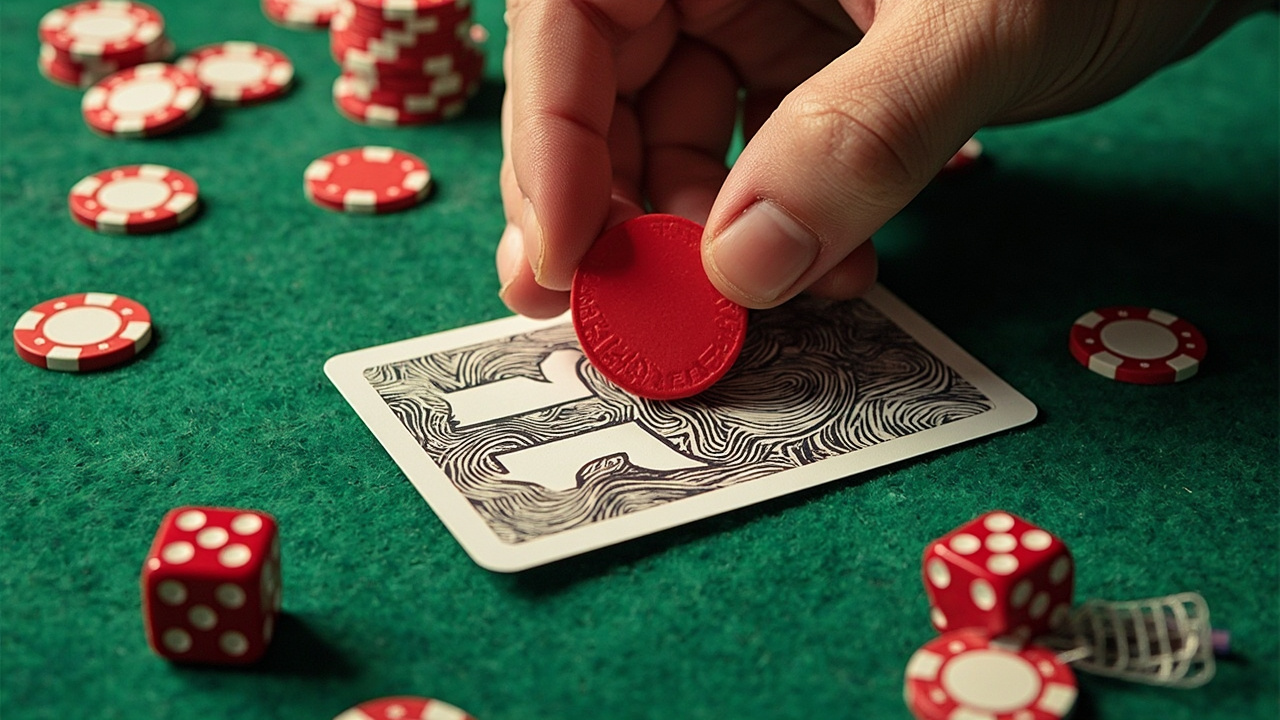
If you want a quick way to decide, think about the session you actually want instead of the one that sounds best in theory. Red Dog suits players who like a little space between decisions and don’t mind a wider spread of outcomes. Casino War suits players who want a fast, direct loop and are comfortable with the possibility of a tie pushing them into a bigger bet. The choice is less about which game is better and more about which rhythm you can stick with without drifting into sloppy stake sizing.
- Decide the session length you want before you open either game, because pace affects how long you stay comfortable at the table.
- Set a stake level that leaves room for a run of bad hands without turning the session into a scramble.
- Check how the casino treats table-game contributions in its bonus terms so you know what playthrough actually looks like.
- Start with the smallest meaningful bet on one game, watch how the rhythm feels for a few hands, then decide whether to stay or switch.
- Use a clear stop point before you begin, especially in Casino War, where a tie round can change the cost of staying in quickly.
Both games are straightforward, but straightforward doesn’t mean identical. Red Dog gives you a slower, more spaced-out rhythm with a wider spread of outcomes, while Casino War keeps things direct and asks for firmer discipline when ties appear. Pick the one that matches how you want to spend an hour, not the one that sounds more impressive in a headline.
Sorry, the comment form is closed at this time.